


 Translation missing: da.header.general.account


Does Alcohol Cause Acne? What Science Says About Drinking and Skin
Table of Contents
- What Alcohol Actually Does to Your Skin
- Does Alcohol Directly Cause Acne?
- How Alcohol Triggers Breakouts
- Not All Alcohol Hits the Skin the Same Way
- Does Cutting Out Alcohol Help Acne?
- How to Support Your Skin When You Drink
- When Alcohol Is Part of a Bigger Pattern
- What Clearer Skin Looks Like Without Alcohol
- Frequently Asked Questions
You've probably noticed it before. A few drinks on a Friday night and by Sunday your skin looks angrier than usual. It might not be a coincidence.
Alcohol doesn't directly cause acne the way bacteria or excess oil does. But it sets off a chain of reactions in the body that make breakouts more likely, more inflamed, and slower to heal. Understanding what's actually happening under the skin makes it a lot easier to connect the dots.
What Alcohol Actually Does to Your Skin
Most people think of alcohol as something that affects the liver or the head the morning after. But the skin feels it too, often faster than you'd expect.
Alcohol is a diuretic. It tells your kidneys to flush out more fluid than you're taking in, which leads to dehydration. Dehydrated skin doesn't just feel tight and dull. It responds by producing more oil to compensate, and that excess oil clogs pores and feeds the conditions that cause breakouts.
On top of that, alcohol triggers inflammation throughout the body. It causes blood vessels to expand, which is why skin looks flushed and red after drinking. For anyone already dealing with acne and redness, that inflammatory response makes everything worse and slows down how quickly the skin can recover.
Does Alcohol Directly Cause Acne?

The short answer is no, not directly. Alcohol doesn't create acne on its own the way clogged pores or bacteria do.
But it does something arguably more disruptive. It creates the conditions that make acne easier to develop and harder to clear. Think of it less as a cause and more as a trigger that amplifies what's already going on in your skin.
A review published in PMC on alcohol and skin diseases found that alcohol stimulates inflammatory cytokines in skin cells, increases vascular permeability, and produces acetaldehyde during metabolism, generating oxidative stress that affects the skin's normal biological function. Multiple cross-sectional studies across European and Asian populations found that people who drink alcohol have a significantly higher risk of developing acne compared to those who don't drink at all.
The research on adult acne specifically is still mixed, but the inflammatory and hormonal pathways alcohol activates are well documented. Those pathways are exactly what makes existing breakouts worse and new ones easier to trigger.
How Alcohol Triggers Breakouts
There's more than one way alcohol stirs up the skin. It hits several systems at once, which is why even moderate drinking behavior can leave the skin looking more inflamed and congested than usual.
It Disrupts Your Hormones
Alcohol raises levels of testosterone and estradiol in the body. Both of these hormones stimulate the sebaceous glands to produce more oil. More oil means more congestion in the hair follicle, and more congestion means more breakouts.
This hormonal disruption is especially relevant for women. Alcohol affects the endocrine system in ways that can amplify hormonal acne, particularly around the menstrual cycle or during periods of hormonal change like menopause. For breakouts that follow a hormonal pattern, the Complete Gut Repair & Hormonal Balance System for Female Acne works from the inside by targeting androgen regulation and the gut-skin connection, both of which alcohol directly disrupts.
For men, elevated testosterone from alcohol consumption pushes oil glands into overdrive in the same way. The Complete Gut Repair & Hormonal Balance System for Male Acne addresses the same hormonal and gut-skin pathways with a formula built for male biology.
It Weakens Your Immune System
Your immune system is what keeps bacteria like Propionibacterium acnes in check. Alcohol suppresses immune function by reducing the number of protective cells and cytokines the body produces. When those defenses are lowered, bacteria multiply more easily inside clogged follicles. The inflammatory response that follows is what turns a blocked pore into a red, swollen papule or pustule.
It Overloads the Liver
The liver filters toxins from the blood. When alcohol is consumed regularly or in large amounts, the liver prioritizes processing ethanol and acetaldehyde over its other detox functions.
The result is a buildup of toxins that the body may try to expel through the skin. This can show up as breakouts, dullness, and increased skin sensitivity. Chronic alcohol abuse accelerates this process significantly.
It Spikes Blood Sugar Levels
Alcohol, especially in the form of sugary cocktails, beer, and wine, causes rapid spikes in blood sugar levels. High glycemic index drinks trigger a surge in insulin, which in turn stimulates oil production and inflammation.
This is the same mechanism behind why high-glycemic diets are linked to acne. A night of sugary drinks works through the same pathway, and the skin responds accordingly.
Not All Alcohol Hits the Skin the Same Way
The type of drink matters more than most people realize. Some alcoholic beverages are significantly harder on the skin than others.
Here's a quick breakdown:
|
Drink Type |
Why It Affects Skin |
Skin Impact |
|
Sugary cocktails |
High glycemic index, blood sugar spikes, inflammation |
High |
|
Dark liquors (bourbon, whiskey, rum) |
Congeners from fermentation increase inflammation |
High |
|
Beer |
Dehydrating, often contains gluten and added sugars |
Moderate to high |
|
Red wine |
Tannins dilate blood vessels, can trigger rosacea and flushing |
Moderate |
|
Clear spirits (vodka, gin) |
Lower in congeners and sugar, less inflammatory |
Lower |
Dark liquors are particularly problematic because of congeners. These are byproducts of the fermentation process found in higher concentrations in darker drinks like bourbon, whiskey, and dark rum. Congeners increase the body's inflammatory response and are a big reason why hangovers feel so much worse after dark liquor compared to clear spirits like vodka or gin.
The AAD's acne clinical guideline describes acne as a condition driven by bacterial overgrowth and inflammation in the hair follicle. Anything that consistently raises inflammation levels in the body makes acne-prone skin harder to manage, and alcohol does exactly that.
Does Cutting Out Alcohol Help Acne?
For a lot of people, yes. Reducing or eliminating alcohol is one of the more noticeable lifestyle changes when it comes to skin clarity.
When you stop drinking or significantly cut back, a few things happen. Inflammation drops. Hormone levels start to stabilize. The liver can do its job properly again. Skin hydration improves. These aren't overnight changes, but most people who cut out alcohol report visible improvement in their skin within 3-4 weeks.
The improvement is usually most noticeable in redness, skin texture, and the frequency of new breakouts. For anyone dealing with rosacea or dermatitis alongside acne, the difference can be even more dramatic since both conditions are highly sensitive to alcohol-induced inflammation.
How to Support Your Skin When You Drink
Cutting out alcohol completely isn't realistic for everyone. If you do drink, a few simple skin care habits can go a long way in reducing the impact on your skin.
- Stay hydrated. Drink water consistently before, during, and after alcohol to offset the diuretic effect.
- Choose lower-sugar options. Clear spirits with soda water are less inflammatory than sweet cocktails or dark liquors.
- Prioritize sleep. Alcohol disrupts sleep quality significantly, and poor sleep raises cortisol levels, which worsens acne.
- Support your diet. Nutrient-rich food with vitamin C and antioxidants helps the body manage oxidative stress from alcohol.
- Avoid binge drinking. Even occasional binge drinking episodes cause significant hormonal and immune disruption that shows up in the skin days later.
What Your Skincare Routine Should Look Like

After a night of drinking, the skin needs support, not stripping. Over-cleansing or loading up on harsh active ingredients at this point does more damage than good.
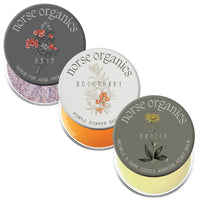
The Kill Acne & Redness Ritual is built around this principle. A simple morning and night routine using Arctic botanical actives that calm inflammation, regulate oil production, and support skin barrier recovery without the irritation risk that comes with chemical-heavy products.
Here's what the key botanicals in this routine do specifically for alcohol-triggered skin issues:
|
Ingredient |
What It Does |
|
Wild Mountain Marigold (Calendula) |
75% reduction in inflammatory cytokines; directly targets the inflammation alcohol triggers |
|
Sea Buckthorn |
190+ bioactive compounds; supports skin cell repair and reduces oxidative stress |
|
Thistle Oil |
Regulates sebum production by mimicking the skin's natural oil; prevents overproduction caused by dehydration |
|
Rosehip CO2 Extract |
Supports skin barrier recovery; 22% reduction in skin damage markers in 8 weeks |
|
Beeswax |
Creates a protective barrier that locks in moisture without clogging pores |
|
Natural Vitamin E |
Protects skin cells against oxidative stress; supports healing after inflammation |
No separate face washes, no additional cleansers, no stacking of active ingredients. The routine works as a complete system. Adding other products to the mix disrupts the formula and often makes alcohol-related breakouts worse, not better.
For a full breakdown of how these botanicals are sourced and formulated, the Norse Organics botanical ingredients page covers each one in detail.
When Alcohol Is Part of a Bigger Pattern
For some people, drinking isn't just occasional. Substance abuse and addiction to alcohol create sustained damage to the liver, immune system, endocrine system, and skin that goes well beyond the occasional breakout.
Skin conditions like psoriasis, dermatitis, and rosacea are all known to worsen significantly with chronic alcohol abuse and binge drinking. These are chronic conditions, and alcohol is one of the most consistent aggravators across all of them.
Mental health and skin health are also more connected than most people think. Alcohol is often used to manage stress and anxiety, but it disrupts sleep, raises cortisol, and suppresses the immune system, all of which make skin conditions worse over time. If alcohol addiction is something you're struggling with, addressing that is the most important step for both mental and skin health.
What Clearer Skin Looks Like Without Alcohol
The connection between alcohol and acne is real, even if it's indirect. Less drinking means less inflammation, more stable hormones, better immune function, and skin that can actually heal between breakouts.
Pair that with a natural acne treatment built on clinically-supported botanical ingredients and you're giving your skin the best possible conditions to clear up and stay that way. Norse Organics is built around exactly this principle, Arctic botanicals that work with the skin's own repair process rather than forcing it.
Most people who make both changes, reducing alcohol and switching to a botanical-based routine, notice a real difference in skin clarity within 4-8 weeks. It's not a quick fix but it's one that actually holds.

Frequently Asked Questions
What alcohol makes you break out?
Sugary cocktails and dark liquors like bourbon, whiskey, and dark rum tend to cause the most skin issues. They're high in congeners and sugar, both of which drive inflammation and blood sugar spikes that directly contribute to breakouts.
What's the worst alcohol for acne?
Sweet mixed drinks and dark spirits are the worst combination for acne-prone skin. The high sugar content spikes blood sugar and insulin, while congeners from fermentation increase the body's inflammatory response. Both hit 2 of the main acne triggers at the same time.
How to get rid of alcohol pimples?
Focus on calming inflammation and supporting the skin barrier rather than stripping the skin. A consistent botanical routine morning and night, combined with proper hydration and reduced alcohol intake, will produce the most noticeable improvement over 3-4 weeks.
How to clear up acne fast?
There's no instant fix, but reducing alcohol, staying hydrated, getting enough sleep, and using a routine built around anti-inflammatory botanicals will speed up the skin's recovery. Most people see visible improvement within 2-4 weeks of consistent care.
What naturally kills acne?
Botanicals like Wild Mountain Marigold, Sea Buckthorn, and Thistle Oil have documented antibacterial and anti-inflammatory properties that target acne at its source. These ingredients work by regulating oil production, fighting bacteria, and reducing the inflammation that turns clogged pores into active breakouts, without the irritation that comes with harsh chemical treatments.
Disclaimer: This article is for informational purposes only and does not constitute medical advice. If you have a chronic skin condition, underlying health concern, or are struggling with alcohol use, consult a qualified healthcare provider before making changes to your skincare or lifestyle. Individual results from any skincare routine or dietary change will vary from person to person.