


 Translation missing: en.header.general.account


Organic Acne Skincare: Why Natural Ingredients Work Better

A new acne product promises clear skin. You try it. It dries out your face, stings, peels, and your acne breakouts come back worse than before. So you try the next one. Same story.
If you're a parent watching your teen go through this (or you're going through it yourself), it gets old fast. The good news: organic acne skin care exists, and it works differently than the conventional acne products you've been cycling through.
This guide covers why conventional treatments fail, what makes organic ingredients more effective for treating acne, and how to build a skincare routine that clears your skin without destroying it.
Why Conventional Acne Products Often Make Things Worse
Most mainstream acne skin care products are built around one idea: kill everything on the surface. The two most common active ingredient choices are benzoyl peroxide and salicylic acid. Both can help treat acne, but they often come with trade-offs that many people only notice after their skin becomes irritated.
Benzoyl peroxide kills acne-causing bacteria but can also dry out the skin barrier. This may lead to dry skin, peeling, and irritation. When skin becomes too dry, oil glands may produce more oil, which can contribute to clogged pores and additional breakouts.
Salicylic acid helps dissolve dead skin cells inside pores and is widely used in acne treatment products. However, for some people, especially those with sensitive skin, higher concentrations may cause dryness or irritation.
Other Ingredients That Can Irritate Skin
Other ingredients commonly found in acne clearing products can also irritate certain skin types.
- Glycolic acid and lactic acid help remove dead skin cells but may feel too strong for sensitive skin.
- Retinol serum or creams can cause peeling during the early stages of use. Prescription treatments like tretinoin work well for some people, but side effects sometimes lead others to explore natural acne products instead.
Even witch hazel, which is often used in skincare, can feel overly astringent for acne-prone skin.
The Mayo Clinic explains that many over-the-counter acne treatments require consistent daily use before improvement appears. In many cases, it can take 2–3 months of regular use before results become visible. During that time, side effects such as dry skin, irritation, burning, stinging, or scaling may occur when starting a new acne product.
That waiting period can be frustrating, especially when skin feels dry, red, or irritated while breakouts continue.
Common Causes of Acne Breakouts
Most breakouts develop when several skin factors happen at the same time. Understanding these triggers helps explain why many acne skin care products and acne clearing products focus on more than one cause.
Common causes of acne breakouts include:
- excess oil production that clogs pores
- buildup of dead skin cells
- acne-causing bacteria inside pores
- skin inflammation and redness
- hormonal changes that increase oil production
When these factors combine, they can worsen acne and lead to repeated breakouts. That’s why many acne treatment products aim to address several triggers at once instead of targeting only one part of the problem.
What Makes Organic Acne Skin Care Different
Many conventional acne treatment products rely on a single active ingredient. Organic formulas often combine multiple botanical ingredients that work together. These plant-based ingredients are commonly used in natural remedies because they can help address several acne triggers at once, including bacteria, inflammation, excess oil, and dead skin buildup.
Unlike some conventional acne skin care products, these ingredients can support the skin barrier while helping manage breakouts.
Another difference comes from how ingredients are processed. Organic plant-based ingredients are often less refined, which helps retain more of their natural nutrients, fatty acids, and antioxidants compared to industrially produced ingredients.
Formulation quality also plays a role. Cold-pressed botanical oils and plant extracts are often used in organic acne treatment formulas because they preserve more active plant compounds found in the plant.
Not all natural acne products are formulated the same way. Some are diluted with water or contain botanical ingredients at concentrations that are too low to make a noticeable difference.
For example, a diluted aloe vera gel is very different from a concentrated botanical formula with multiple active plant compounds working together. With organic acne skin care, potency and ingredient concentration often matter more than the label alone.
The Natural Ingredients That Actually Fight Acne
Here are organic ingredients commonly used in natural remedies for acne, grouped by what they do.
Bacteria Fighters
Calendula (wild mountain marigold) is one of the most studied natural antibacterial and anti-inflammatory botanicals. Research suggests it may help calm irritated skin and support healing. These effects are linked to its active plant compounds, which contribute to its antibacterial and soothing properties. Calendula helps fight acne-causing bacteria while calming the inflammation that makes breakouts red and painful.
Rosemary oil supports circulation and has natural antibacterial and anti-inflammatory properties that may help manage acne without stripping the skin barrier.
Cedarwood oil acts as a natural antiseptic often used in natural acne products, while grapefruit oil provides antibacterial support and mild astringent properties that may help tighten pores without over-drying the skin.
Inflammation Calmers
Sea buckthorn oil contains a wide range of bioactive compounds, including omega-7 fatty acids that support skin barrier health. It is commonly used in organic acne treatment formulas because it helps hydrate the skin while supporting repair of irritated skin.
Chamomile oil is known for its calming effects on irritated skin.
Borage oil contains gamma-linolenic acid (GLA), a fatty acid that helps support skin barrier function and reduce visible redness.
Beta-carotene helps support healthy skin cell renewal and may help improve the appearance of uneven skin tone after breakouts.
Oil Regulators
Thistle oil closely resembles the composition of natural skin oils. Because of this, it may help support balanced oil production, which is helpful for oily or acne-prone skin.
Pomegranate oil contains antioxidants that help support skin protection and repair. Squalane provides lightweight hydration that works for most skin types without clogging pores.
Argan oil and apricot oil nourish the skin while remaining lightweight enough for many acne skin care products designed for breakout-prone skin.
Vitamin E helps support skin cells against oxidative stress.
Natural Exfoliants
Dead skin cell buildup is one factor that contributes to clogged pores. While chemical peels and harsh scrubs can irritate some skin types, gentler exfoliating ingredients are often used in acne clearing products.
Natural powder exfoliants such as rice flour and rose flour help absorb excess oil while gently polishing the skin. Olive kernel powder and apricot kernel powder help remove surface buildup without aggressively damaging the skin barrier.
Scar and Mark Support
Acne scars and post-acne marks can remain after breakouts heal.
- Rosehip oil is often used in organic acne skin care because it contains fatty acids and vitamin A compounds that support skin renewal and help improve the appearance of uneven skin tone.
- Tamanu oil is traditionally used in skin care to support healing and skin repair.
- St. John's wort and chickweed oil help calm irritated skin, while plantain oil supports overall skin recovery.
For people dealing with both breakouts and marks, systems like the Complete Acne Killer System 2.0 include products designed to target active acne while supporting scar recovery.

Organic vs. Conventional: How They Compare
Here's a straightforward comparison:
Conventional: 1-2 active ingredients at high concentrations. Kill bacteria fast but damage the barrier. These acne clearing products cause dry skin, peeling, and rebound breakouts.
Organic (properly formulated): Multiple active botanicals addressing bacteria, inflammation, oil production, and dead skin simultaneously. They fight acne while strengthening the barrier. Side effects are minimal because the ingredients work with your biology. When choosing organic acne skin care, focus on well-formulated products with concentrated botanical ingredients that retain more of their natural nutrients, rather than diluted or heavily processed blends.
The research published in the Journal of Clinical and Aesthetic Dermatology notes that many conventional acne treatments target multiple pathological processes but can also come with side effects. Because of these limitations, researchers continue exploring new treatment options, including natural products that may address several factors involved in acne development.
Ingredients such as tea tree oil, aloe vera, green tea extract, jojoba oil, and hyaluronic acid have been studied for their potential skin-supporting properties. These ingredients are often included in natural acne products and organic acne skin care formulas designed to support clearer skin while maintaining skin balance.
How to Build an Organic Acne Skin Care Routine
A good organic acne skin care routine doesn’t need 10 products. In most cases, three steps done twice a day consistently are enough.
Morning Routine
Start with a gentle cleanser that avoids sulfates and harsh chemicals. Follow with a moisturizer. Even oily skin needs hydration, because overly dry skin can trigger more oil production. The 6-in-1 Daily Glow & Moisturize works as a lightweight moisturizer with vitamin C and barrier-supporting botanicals. Finish with SPF.
Evening Routine
Cleanse again with a gentle cleanser. Then apply your treatment product. The Acne & Redness Killer combines calendula, sea buckthorn, rosehip, borage oil, rosemary oil, cedarwood oil, grapefruit oil, argan oil, and beeswax in one cold-pressed formula. It can be used as both a spot treatment and an all-over treatment.
2–3x per week
Add exfoliation to remove dead skin buildup. The Premium Face Scrub uses rice flour, rose flour, olive kernel powder, and apricot kernel powder to help clear dead skin cells and support smoother skin without harsh chemical exfoliants.
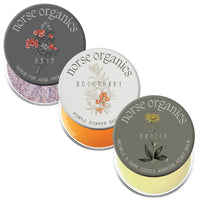
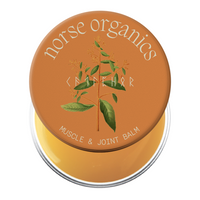
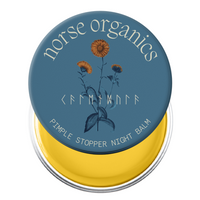
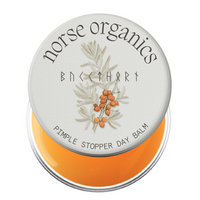
For a simplified routine, the Kill Acne & Redness Ritual combines a morning balm, night balm, and powder scrub in one system. Many people who follow the routine share their experiences and results in our customer reviews.
What About Body Acne and Back Acne?
Body acne and back acne develop from many of the same causes as facial breakouts, including bacteria, inflammation, excess oil, and dead skin cells. The difference is that body skin is thicker and often covered by clothing, which can trap sweat and oil.
The same organic acne treatment used on the face can also be applied to areas such as the chest, shoulders, and back. Apply the balm to affected areas and use the powder scrub in the shower to help remove buildup from the skin. Botanical ingredients work across different areas of the skin, not just the face.
How to Choose the Right Acne Treatment for Your Skin Type
Not every acne type responds the same way:
- Mild acne (blackheads, small whiteheads): Regular exfoliation plus an oil-regulating moisturizer can help prevent clogged pores and new breakouts.
- Moderate acne (inflamed papules, red bumps): Antibacterial treatment combined with calming botanicals can help reduce redness and irritation.
- Severe acne or cystic acne: Botanical treatments may help calm inflammation and support the skin, but deeper or persistent acne may require evaluation by a board-certified dermatologist if breakouts do not improve with topical treatments.
- Acne on sensitive skin: Steer clear of essential oils at high concentrations, fragrances, or alcohol. Beeswax-based botanical balms can be gentle for sensitive skin. Norse Organics formulas are cruelty-free and safe for teens aged 12+.
For hormonal acne that seems tied to gut health or monthly cycles, the Complete Gut Repair + Hormonal Balance System for Acne focuses on supporting the internal side of skin balance.
When to See a Dermatologist?
Organic acne treatment can help manage many common breakouts, but some situations require professional care.
Talk to a board-certified dermatologist if breakouts haven’t improved after about 60 days, if you have deep cystic acne, or if dark spots are not improving with topical application. In some cases, a dermatologist may recommend stronger treatments such as a prescription lotion or other medications designed to combat acne when topical skincare products alone are not enough.
Professional treatment may also include guidance on building a routine that supports skin health while working to clear acne over time. Many dermatologists recommend combining medical treatments with supportive skincare products that help calm irritation and maintain the skin barrier.
If you’re exploring botanical routines as part of your skincare approach, you can browse the Norse Organics product line to find combinations that fit different skin types and acne concerns.
The Norse Organics Promise

No acne in 60 days or your money back. Use the full ritual for 60 days. No improvement? Full refund. No forms, no fine print.
97% of customers got acne free. Real results tracked and published.
Botanical Buffet: made with Arctic plants. Wild-harvested from the Norwegian mountainside, cold-pressed, small-batch.
For females, males, adults, and teens. Works across all skin types, ages 12+, every gender.
Ready to try an effective treatment that doesn't wreck your skin? Try the Kill Acne & Redness Ritual risk-free for 60 days.
Medical Disclaimer: This article is for educational purposes only and is not medical advice. Consult a healthcare provider before starting any new regimen. Individual results vary. Clinical statistics reference ingredient studies, not product claims. Norse Organics products are cosmetic products, not medications. Discontinue if irritated.
Organic Acne Treatment FAQs
Does organic skincare really work for acne?
Organic skincare can help support clearer skin when the ingredients are concentrated and well formulated. Many botanical ingredients have antibacterial and anti-inflammatory properties that may help calm irritation and support healing of acne lesions. Because acne vulgaris develops from multiple factors like bacteria, oil buildup, and inflammation, multi-ingredient formulas may help support the skin while breakouts improve.
What is the best organic acne treatment?
The best organic acne treatment targets several causes of acne at once, including bacteria, excess oil, and clogged pores. Botanical ingredients can help reduce inflammation and support the skin barrier. When used consistently, these formulas may also help prevent breakouts by keeping pores clearer and supporting balanced skin.
Can natural acne products replace prescription treatments?
For mild to moderate acne, consistent use of natural acne products may help improve breakouts and prevent acne from returning. More severe acne may still require medical treatment from a dermatologist. In many cases, professional care and supportive skincare routines can work together to improve acne-prone skin.
Is organic skincare safe for teenagers?
Cold-pressed botanical formulas are gentle enough for teens aged 12 and up. Unlike high-concentration benzoyl peroxide, plant-based acne products cause less irritation and fewer rebound breakouts. Many parents switch after watching their teen's skin get worse on conventional acne treatment products. A 3-product routine is also easier for teens to follow.
How long does it take for organic acne products to work?
Most people notice fewer new breakouts within the first week. Visible improvement follows within 2-4 weeks. Full clearing of moderate acne usually takes 4-8 weeks, similar to conventional products but with far fewer side effects.
Should I skip moisturizer if I have oily skin?
No. When you skip moisturizer, your skin reads the dryness as a signal to produce more oil. Use a lightweight, non-comedogenic formula that hydrates without feeding bacteria. Maintaining skin health starts with hydration. Healthy skin needs moisture regardless of skin type.
