


 Translation missing: en.header.general.account




Papules Acne: What Are They and How to Treat Papular Acne
Table of Contents
- What Are Acne Papules?
- What Are the Symptoms of Papules Acne?
- What Causes Papules Acne?
- What Are the Different Types of Papules Acne?
- How Is Papules Acne Treated?
- Should You Pop a Papule?
- What Are the Complications of Papules Acne?
- How Can Papules Acne Be Prevented?
- Ready to Clear Your Skin?
- Frequently Asked Questions
Acne shows up in different forms, and papules are one of the most common. They're small, raised, inflamed bumps that are solid to the touch and often red or tender. Unlike pustules, there's no pus inside. Just irritated, swollen skin sitting on top of a clogged pore.
Most people deal with them at some point, whether during their teens or well into adulthood. The frustrating part is that papules keep coming back if the root cause isn't addressed. Knowing what's actually driving them makes a real difference in how you treat them.
What Are Acne Papules?

Papules are a form of inflammatory acne. They develop when a hair follicle gets clogged with excess oil and dead skin cells, and the follicle wall breaks down from the pressure and bacterial activity building up inside.
The result is a small, raised bump, usually less than 1 centimeter, that feels firm and tender to the touch. They don't have a white or yellow tip like a whitehead or pustule. They're often red, pink, or close to your skin tone depending on your complexion.
If you have a cluster of them in one area, the skin can actually feel like sandpaper. That texture is a sign the inflammation has spread beyond just 1 blocked pore.
What makes papules different from other acne types is that there's no pus involved, just swelling and irritation in the skin around the blocked follicle. They can progress into pustules over time when pus begins to form inside, which is why catching them early makes a difference. The American Academy of Dermatology outlines papules as one of the earliest forms of inflammatory acne blemishes, sitting a step above blackheads and whiteheads in terms of skin involvement.
What Are the Symptoms of Papules Acne?
Papules are easy to identify once you know what you're looking for. They tend to cluster in areas where oil glands are most active.
Common signs include:
- Small, solid bumps under or on the skin surface
- Red, pink, or skin-colored appearance
- Tender or sore when touched
- No visible pus or opening at the tip
- Can appear on the face, neck, chest, back, shoulders, and upper arms
Dealing with acne and redness in the same areas is common since papules trigger inflammation in the surrounding skin too.
What Causes Papules Acne?
Papules don't usually have just 1 cause. Most of the time, it's a combination of things happening in the body and on the skin at the same time.
The most common causes are:
- Excess oil production: Overactive sebaceous glands produce more oil than the skin needs, which mixes with dead skin cells and blocks pores
- Bacteria: Propionibacterium acnes thrives inside clogged follicles and triggers an immune response that causes inflammation in the dermis
- Hormones (androgens): A rise in androgens during puberty, the menstrual cycle, or hormonal imbalances stimulates oil glands and increases breakout frequency
- Stress: High cortisol levels push oil glands to produce more sebum, making breakouts more likely
- Medications: Corticosteroids and anabolic steroids are known to cause or worsen papular acne
- Diet: High-glycemic foods and dairy have been linked to increased acne activity in several studies
For hormonal acne specifically, the issue often starts deeper than the skin. The Complete Gut Repair & Hormonal Balance System targets the gut-skin connection and androgen regulation from the inside, addressing one of the root causes that topical products alone can't fix. This is backed by NCBI's StatPearls on Acne Vulgaris, which confirms that the interaction between androgens, sebaceous gland activity, and bacteria is what drives papule formation in the first place.
What Are the Different Types of Papules Acne?
Not all papules look or behave the same. Understanding the type you're dealing with helps you treat it more effectively.
- Inflammatory papules are the most common. They form when a blocked follicle becomes infected with bacteria, causing the skin around it to swell and turn red.
- Closed comedones that progress to papules start as whiteheads trapped under the skin for too long. As the follicle wall weakens over time, the comedo converts into a papule.
- Hormonal papules are driven by androgen fluctuations. These tend to cluster along the jawline, chin, and lower cheeks, and often flare up in cycles around the menstrual period, during high-stress periods, or when hormone levels shift.
How Is Papules Acne Treated?

This is where a lot of people go wrong, jumping between products or trying too many things at once. The most effective approach is a consistent routine that targets inflammation and bacteria without stripping or over-irritating the skin.
Start With a Botanical-Based Routine
Many conventional treatments clear acne by disrupting the skin barrier in the process, which often makes things worse before they get better. A botanical-based approach works differently. It fights bacteria and inflammation while actively supporting the skin's ability to heal.
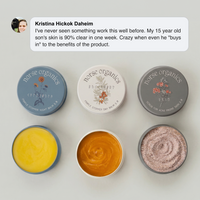
The Kill Acne & Redness Ritual is built around Arctic botanical ingredients clinically shown to reduce papular acne. It's a 3-step morning, night, and exfoliation routine, and the data behind the key ingredients is measurable, not just marketing.
Here's what the botanicals in this routine actually do for papular acne:
|
Ingredient |
What It Does for Papules |
|
Wild Mountain Marigold (Calendula) |
78% reduction in acne in 90 days; 75% reduction in inflammatory cytokines |
|
Sea Buckthorn |
190+ bioactive compounds; reduces inflammation and supports skin cell repair |
|
Thistle Oil |
Regulates oil production by mimicking the skin's natural sebum; reduces pore congestion |
|
Rosehip CO2 Extract |
Supports skin barrier recovery after inflammation; 22% reduction in skin damage markers in 8 weeks |
|
Beeswax |
Forms a protective barrier on the skin; locks in moisture without clogging pores |
|
Natural Vitamin E |
Supports cell repair and protects against triggers that worsen inflammation |
How the Skin Care Routine Works
The routine is intentionally simple: day balm every morning, night balm every night, scrub 2-3 times a week in the shower. No separate face washes, no additional cleansers. Over-cleansing disrupts oil balance and worsens papular acne over time.
The Premium+ Face Scrub uses Rice Flour, Apricot Kernel Powder, and Rose Flour for gentle exfoliation. Rose Flour has been shown to inhibit C. acnes growth by 75%, clearing dead skin cells and bacteria from pores without stripping the epidermis.
For those dealing with both active papules and post-acne scarring, the Complete Acne Killer System 2.0 includes upgraded formulas alongside a dedicated scar treatment, covering more of the acne cycle in one routine.
When Prescription Options Come Into Play
If breakouts are severe, widespread, or haven't responded after 3 months of consistent care, a dermatologist visit is worth it. Prescription options include:
- Topical antibiotics: Clindamycin and erythromycin reduce bacterial load and inflammation. Long-term use carries antibiotic resistance risk, so dermatologists typically combine them with other actives
- Oral antibiotics: Doxycycline and minocycline are effective for moderate to severe papular acne but can disrupt the gut microbiome and are not suitable for long-term use
- Tretinoin or tazarotene: Prescription retinoids speed up cell turnover, but they cause significant dryness, peeling, and sun sensitivity, especially in the first few months of use
- Spironolactone: An anti-androgen option for women with hormonal papular acne. It works well but requires ongoing use to maintain results
- Isotretinoin: Reserved for severe, treatment-resistant acne. Highly effective but comes with serious side effects including liver monitoring requirements and strict pregnancy warnings
Prescription treatments work best when paired with a skin barrier-supporting routine. Most clinical actives thin or irritate the skin over time. The science behind Norse Organics formulas is built specifically around supporting and strengthening the barrier, not breaking it down.
Should You Pop a Papule?
No. Papules don't contain pus, so there's nothing to squeeze out. Pressing or picking at them pushes bacteria deeper into the skin, ruptures the follicle wall, and spreads inflammation to surrounding pores. The pressure from your nails can also cause immediate tissue damage in the dermis layer.
Squeezing papules is one of the leading causes of post-acne scarring, and those marks are far harder to deal with than the original papule.
What Are the Complications of Papules Acne?
When papules are ignored or mishandled, a few things can follow.
- Hyperpigmentation: Even without picking, inflamed papules can leave dark spots after healing. This is especially common in deeper skin tones
- Scarring: Repeated inflammation or picking in the same area can cause permanent texture changes in the skin
- Progression to nodules: Deep, untreated inflammation can develop into nodules, which are larger, more painful breakouts that sit in the deeper dermis and are harder to clear
- Mental health impact: A meta-analysis of 42 studies published on PubMed found a significant association between acne vulgaris and both depression and anxiety, enough that researchers recommend aggressive treatment and psychiatric screening for persistent cases
For visible marks left behind after papules heal, the Acne Scars Healer & Preventer targets hyperpigmentation and supports collagen repair. Marigold extract in the formula has been shown to increase hydroxyproline, a collagen marker, by 30% and accelerate wound healing by 383%.
For more on managing post-acne marks and what the skin recovery process looks like, the Norse Organics site covers this in detail.
How Can Papules Acne Be Prevented?
You can't always stop papules from forming, especially when hormones or stress are involved. But the right habits reduce how often and how severely they show up.
- Wash your face twice a day with a gentle cleanser. Avoid harsh soaps that strip the skin's natural moisture and trigger oil overproduction
- Use non-comedogenic products. Many conventional cosmetics and moisturizers contain ingredients that block pores and feed directly into papule formation
- Avoid over-washing and over-exfoliating. Disrupting the skin barrier signals oil glands to produce more sebum, the opposite of what you want
- Change pillowcases regularly and keep objects that touch your face, like your phone, glasses, and helmet, clean
- Support your skin from the inside. Sleep, nutrition, stress management, and water intake all directly affect how the skin behaves at the follicle level
- Apply sunscreen daily. UV exposure worsens post-papule hyperpigmentation and slows skin repair
Switching to organic acne skincare that avoids synthetic fillers and pore-clogging ingredients is one of the most consistent changes people see results from, because it stops adding to the problem while the skin heals.
Ready to Clear Your Skin?
Papules are manageable. The difference between skin that keeps breaking out and skin that clears up usually comes down to consistency and using a routine that actually supports the skin barrier.
Most treatments take 4-8 weeks before real results show up. Switching products every 2 weeks or stacking multiple active ingredients at once typically slows progress rather than speeding it up.
If you want a natural blemish treatment that works with your skin rather than against it, a botanical-based routine built on clinically-supported ingredients is the most sustainable place to start. That's the thinking behind Norse Organics, Arctic plant extracts that target the root causes of papular acne without stripping the skin barrier in the process.
Disclaimer: This content is for informational purposes only and does not constitute medical advice. Results from any skincare routine or treatment vary from person to person. Always consult a healthcare professional before making changes to your skincare or health regimen.

Frequently Asked Questions
What causes papules in acne?
Papules form when a clogged hair follicle gets infected with P. acnes bacteria and the follicle wall breaks down. This triggers inflammation in the surrounding skin. Hormones, excess oil, and stress all increase the likelihood of this happening.
What triggers papules?
The most common triggers are androgen-driven hormonal changes, a high-glycemic diet, stress, and certain medications like corticosteroids. Skincare or cosmetics that clog pores can also contribute.
How long do papules usually last?
Most papules clear in 3-7 days on their own. Without treatment, some can stick around for several weeks. Consistent use of the right active ingredients can speed up healing noticeably.
Will a papule heal on its own?
Yes, most do. But leaving them untreated raises the risk of them progressing to pustules or nodules and increases the chance of post-acne scarring.
Are papules hard to get rid of?
Mild papules usually respond well to consistent treatment over 4-6 weeks. Hormonal papules or widespread breakouts may need more time and a combination approach that addresses both the skin and internal triggers.
How do you treat papules acne?
Start with a botanical-based routine that targets inflammation and bacteria without disrupting the skin barrier. For cases that don't respond after 3 months, prescription options like topical antibiotics or retinoids can be added, but they work best alongside a barrier-supporting skincare routine.
Does salicylic acid work for papules?
Yes, it does. Salicylic acid works by exfoliating inside the pore and reducing surface inflammation, making it one of the more accessible OTC options for this skin condition. It's widely used for pimples and papules at early stages. That said, regular use can dry out and irritate the skin, especially when combined with other active ingredients at the same time.
Can I pop or squeeze a papule?
No. There's no pus in a papule, so squeezing does nothing productive. It pushes bacteria deeper, worsens inflammation, and raises the risk of permanent scarring.