


 Translation missing: nl.header.general.account
Body Lotion for Acne-Prone Skin: Are You Using the Right One?
Table of Contents
- Why Does Acne-Prone Skin Still Need Body Lotion?
- What Causes Body Acne on Your Back, Chest, and Shoulders?
- How to Choose the Best Body Lotion for Acne-Prone Skin
- Can Body Lotion Clog Pores or Make Acne Worse?
- Body Lotion vs. Body Butter: Which Is Better for Dry Skin?
- Can Exfoliating Body Products Help With Acne?
- How to Build a Gentle Body Care Routine
- Botanical Body Care for Acne-Prone Skin
- Finding a Body Moisturizer That Feels Right for Acne-Prone Skin
- Frequently Asked Questions
Your back keeps breaking out, but your skin feels dry after every shower. Should you skip body lotion or keep moisturizing?
Acne-prone skin still needs moisture. A suitable body lotion helps soften dry patches, reduce water loss, and support your skin's natural barrier. It won't necessarily clear pimples, but it can keep your skin comfortable, especially when acne treatments leave it tight or flaky.
The tricky part is finding a formula that feels good without making breakouts worse. Here's what to look for in a body moisturizer, which ingredients matter, and how to care for your skin without adding unnecessary steps.
Key Takeaways
- Acne-prone skin needs moisture, too. Oily skin can still feel dry or dehydrated.
- Lightweight isn't always better. Your skin may prefer a lotion, cream, or richer balm.
- Ingredients matter more than labels. Even non-comedogenic products aren't guaranteed to suit everyone.
- Acne treatments can cause dryness. Moisturizers help reduce moisture loss and discomfort.
- Keep your routine gentle. Overwashing, scrubbing, and friction can irritate existing breakouts.
Why Does Acne-Prone Skin Still Need Body Lotion?

Your skin can be oily and dry at the same time. You might have pimples across your back or chest, yet still notice tightness, flaky patches, or rough skin after showering.
That's because oil and moisture aren't the same thing. Your skin produces oil naturally, but it can still lose water, leaving the outer layer dry and uncomfortable.
Body lotion helps reduce that moisture loss and keeps skin feeling softer. This matters even more if you're using acne treatments that leave your skin dry or irritated.
The American Academy of Dermatology's guidance on choosing a moisturizer for acne-prone skin explains that acne treatments such as benzoyl peroxide, salicylic acid, and certain retinoids can cause dryness. Using a moisturizer regularly can help your skin tolerate these treatments.
So, skipping body lotion isn't necessarily helping your breakouts. The better approach is finding a moisturizer that keeps your skin comfortable without causing unwanted irritation.
What Causes Body Acne on Your Back, Chest, and Shoulders?

Body acne develops when excess oil and dead skin cells clog hair follicles. These blockages can become blackheads, whiteheads, or inflamed pimples.
Your chest, shoulders, and back have many oil glands, making them common places for breakouts. Sweat, tight clothing, and repeated rubbing can also make existing acne worse.
If you're dealing with recurring back acne, understanding its causes can help you identify habits that may be contributing to breakouts.
Chest acne can develop for similar reasons. However, not every bump is acne. Folliculitis and keratosis pilaris can look similar but need different care.
How to Choose the Best Body Lotion for Acne-Prone Skin
The right body lotion should keep your skin moisturized without causing unwanted irritation or breakouts.
But there's no single formula for everyone. Your skin type, dryness, and tolerance all matter.
Look for Ingredients That Support Skin Moisture
Some ingredients attract water, while others soften skin or help prevent moisture from escaping. Knowing where each one comes from and how long it works makes it easier to pick a formula that fits your skin.
Here are a few worth knowing:
- Hyaluronic acid: A sugar molecule your skin makes on its own, usually produced for skincare by fermenting bacteria in a lab. It pulls water into the skin’s outer layer, but that water can evaporate unless something seals it in. Apply it to damp skin after showering, then follow with a richer moisturizer.
- Glycerin: A clear, odorless ingredient usually made from plant oils like coconut or soy, and it also forms naturally during soap making. Like hyaluronic acid, it draws water into the skin. It works best on damp skin, paired with an oil or wax that keeps that moisture from escaping.
- Ceramides: Fats that make up about half of your skin’s outer barrier. Most ceramides in lotions are made in a lab to match your skin’s own, while plant-derived versions come from rice or wheat. They’re most helpful when skin feels tight, rough, or irritated, such as during acne treatment.
- Botanical oils: Pressed from seeds, nuts, and fruits, such as safflower, borage, and jojoba. They soften rough skin and slow water loss with a light film that lasts longer than water-based hydration. They suit skin that feels dry soon after washing.
- Beeswax: A natural wax made by honeybees. It forms a protective layer that slows water loss and stays on your skin until you wash it off. It’s especially useful on very dry areas or overnight.
These ingredients work as a team. Hyaluronic acid and glycerin pull water in, but they can’t hold it there on their own. Botanical oils and beeswax seal moisture in and stay on the skin longer. That’s why a waterless balm made from plant oils and beeswax can help dry skin stay comfortable for longer between showers.
A nourishing formula doesn’t need every ingredient on this list. What matters is how the finished product feels on your skin. For more context, our guide to skin barrier repair products explains the different roles of moisturizing ingredients.
Choose a Texture Your Skin Feels Comfortable With
Lightweight body lotions are one option for acne-prone skin, especially if you dislike a greasy finish. But oily skin isn’t limited to them: a richer balm applied in a thin layer can feel just as comfortable.
Look for formulas that hydrate without feeling heavy. Non-comedogenic options are worth considering, while fragrance-free lotions may suit skin that's sensitive to scented ingredients.
Creams and balms feel richer and may be more comfortable when your skin needs extra moisture or feels dry soon after washing.
Still, texture alone doesn't tell you how your skin will respond. A lightweight lotion can cause irritation, while a richer moisturizer may feel perfectly comfortable.
Check Fragrance Ingredients if Your Skin Is Sensitive
Fragrance is worth checking if your skin reacts easily to scented products. Some people prefer fragrance-free formulas, while others are comfortable using products that contain botanical essential oils.
The important part is knowing what's in your moisturizer. Read the ingredient list and consider any fragrance ingredients that have irritated your skin before.
Can Body Lotion Clog Pores or Make Acne Worse?
Yes, some moisturizers may contribute to clogged pores or irritation, depending on their formula and your skin. That's why non-comedogenic moisturizers are often recommended for acne-prone skin. They're formulated to be less likely to clog pores, although no product is guaranteed to suit everyone.
That doesn't mean every oil, body butter, or thick cream is unsuitable for acne-prone skin. The complete formula matters more than judging a product by one ingredient.
Pay attention to how your skin responds, too. If your moisturizer feels too heavy, try applying less. If you notice new bumps after introducing a product, stop using it and monitor your skin.
The goal is to keep your skin moisturized and comfortable without adding to your skin concerns.
Body Lotion vs. Body Butter: Which Is Better for Dry Skin?
Both body lotion and body butter moisturize, but they feel different.
Lotions usually contain more water and have a lighter texture. Body butter and balms are richer, making them worth considering when dry skin needs more lasting softness.
|
Moisturizer |
How It Feels |
May Suit |
|
Lightweight body lotion |
Thin, easy to spread |
Oily skin or people who dislike a rich finish |
|
Body cream |
Thicker, creamy |
Normal to dry skin |
|
Body butter |
Rich, buttery |
Very dry areas |
|
Waterless body balm |
Concentrated, oil-based |
Both oily and dry areas, using a thin or thicker layer as needed |
Some body butters contain shea butter, while others rely on different oils and waxes. The ingredient alone doesn't tell you how your skin will respond.
If your chest feels oily but your shoulders are dry, you may prefer different amounts on each area.
Can Exfoliating Body Products Help With Acne?
Some body care products contain exfoliating ingredients that remove dead skin cells or help clear clogged pores. Others contain acne treatments that work differently. Knowing the difference can help you understand what you’re applying to your skin.
Here are a few ingredients you may come across:
- Salicylic acid: Exfoliates and helps unclog pores, particularly those affected by blackheads and whiteheads. It can also cause dryness or irritation.
- Glycolic acid: Helps remove dead skin cells and smooth rough or uneven skin. It may cause stinging or irritation, especially on sensitive skin.
- Lactic acid: Gently exfoliates the skin’s surface and is also used in products for dry, rough skin. Higher concentrations or frequent use may cause irritation.
- Benzoyl peroxide: Targets acne-associated bacteria and is commonly used for mild pimples. Unlike the exfoliating acids above, its main role isn’t removing dead skin cells. It can leave skin dry or irritated.
These ingredients serve different purposes, and not every acne-prone skin type needs them. If your skin already feels tight or irritated, adding more exfoliation may only increase discomfort.
That’s where a gentler, natural approach can help. Waterless balms are made only from oils, butters, and waxes, so a small amount goes a long way and they typically need fewer preservatives. Since plant oils and beeswax don’t evaporate like water, they also keep skin comfortable longer than a typical water-based lotion.
The American Academy of Dermatology’s guidance on adult acne treatments recommends choosing an appropriate active ingredient and following the product directions rather than introducing several treatments at once.
For painful or persistent breakouts, a board-certified dermatologist can help assess your skin.
How to Build a Gentle Body Care Routine
You don't need a shelf full of body acne products to care for your skin. A simple skincare routine can help you manage dryness without adding unnecessary irritation.
Start with these habits:
- Shower after sweating. Change out of damp workout clothes when possible.
- Wash gently. Avoid scrubbing pimples with rough brushes or loofahs.
- Choose a suitable cleanser. Gentle, pH-balanced cleansers may feel more comfortable than products that leave your skin tight.
- Apply moisturizer. Use enough to keep skin comfortable without leaving a heavy coating.
- Reduce friction. Choose breathable clothing and avoid repeated rubbing from tight straps.
If you're unsure which cleanser to choose, our guide to body wash for acne-prone skin explains what to consider. Also, avoid introducing several new products at once. If irritation develops, it's easier to identify the cause when you've made only one change.
Botanical Body Care for Acne-Prone Skin
Acne-prone skin can need moisture just as much as cleansing. If your skin feels dry or tight after washing, a simple botanical body care routine may be a comfortable option.
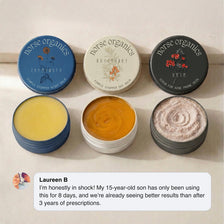
Norse Organics offers a body soap for cleansing and a richer balm for moisturizing. Each has a different role, making it easier to choose based on what your skin needs.
Body Soap for Acne-Prone Skin

Our botanical body soap is an option for your daily body wash routine. Made with glycerin, jojoba oil, avocado oil, and sea buckthorn oil, it helps cleanse and condition your skin, leaving it feeling soft and smooth.
The formula also contains peppermint and eucalyptus oils, so patch testing is worth considering if you're sensitive to fragrant ingredients.
Body Balm for Acne-Prone Skin

If you're looking to treat body acne but also struggle with very dry skin, moisturizing is an important part of your routine. Our moisturizing body balm helps soften dry areas and reduce moisture loss.
Made with safflower seed oil, borage seed oil, beeswax, and vitamin E, the balm helps keep skin smooth and comfortable without serving as a replacement for acne treatment.
Apply a small amount to clean skin, especially where you need extra moisture. If you're sensitive to essential oils, patch test first, as our formula contains lavender essential oil.
How These Body Products Fit Different Needs
The soap and balm aren't doing the same job.
|
Product |
Main Purpose |
How It Helps |
|
Body Soap for Acne-Prone Skin |
Cleansing |
Removes everyday dirt and excess surface oil |
|
Body Balm for Acne-Prone Skin |
Moisturizing |
Softens dry skin and helps reduce moisture loss |
You can explore the body acne skincare collection to compare available body-care options.
Finding a Body Moisturizer That Feels Right for Acne-Prone Skin
 Body acne is frustrating enough without dealing with dry, uncomfortable skin, too. Moisturizing won't replace acne treatment, but it can help your skin feel better, especially when dryness is part of the problem.
Some people prefer a lightweight lotion, while others find a richer balm more comfortable. The important part is choosing something that suits your skin and feels good to use every day.
If you're considering Norse Organics body care, take a look at the Norse Organics customer reviews to read about other customers' experiences.
Acne-prone skin still needs moisture. And caring for dryness doesn't have to make your routine complicated.
Frequently Asked Questions
What is the best lotion for acne-prone skin?
The right lotion keeps your skin moisturized without causing unwanted irritation or breakouts, and it doesn’t have to be the lightest one on the shelf. A waterless balm can work on both oily and dry areas, because it’s concentrated: a thin layer is enough where your skin is oilier, and you can use a bit more where it feels dry. Norse Organics’ Body Balm for Acne-Prone Skin works this way, so you can adjust the amount instead of buying separate products for different areas.
Is body lotion good for acne?
Yes, body lotion can help keep acne-prone skin moisturized, especially when acne treatments cause dryness. Apply body lotion after showering to help retain moisture and keep your skin comfortable. Regular moisturizing lotion doesn't directly treat acne or unclog pores.
Should I moisturize if I have fungal acne?
Yes, skin affected by fungal acne may still need moisture, but choosing the right product matters, especially for sensitive skin types. Fungal acne, also called Malassezia folliculitis, differs from regular acne, so a dermatologist can help you identify the condition and find suitable skincare products.
What clears up body acne?
Managing body acne starts with understanding your skin concern and following a consistent routine. Gentle cleansing and moisturizing can help keep acne-prone skin comfortable, although they don't directly clear pimples. For everyday care, explore the Norse Organics body acne collection, which offers cleansing and moisturizing options.
What cream is best for body acne?
The right cream depends on your skin's needs, especially if you have sensitive skin. Acne treatments address breakouts, while moisturizing creams and balms help soften dry areas and support smoother skin. Our body balm offers a richer moisturizing option for acne-prone skin that needs extra hydration.
Can Norse Organics Body Balm help acne-prone skin?
Norse Organics body acne balm helps moisturize and soften dry, acne-prone body skin through its oil-and-wax formula. It isn't a medicated acne treatment, and how well it suits your skin depends on your individual tolerance.
Disclaimer: This article is for general skincare education and isn't medical advice. Norse Organics body-care products are cosmetics intended for cleansing and moisturizing, not medications for treating acne. Consult a dermatologist if your breakouts are painful, persistent, or worsening.


